
 Save Pin
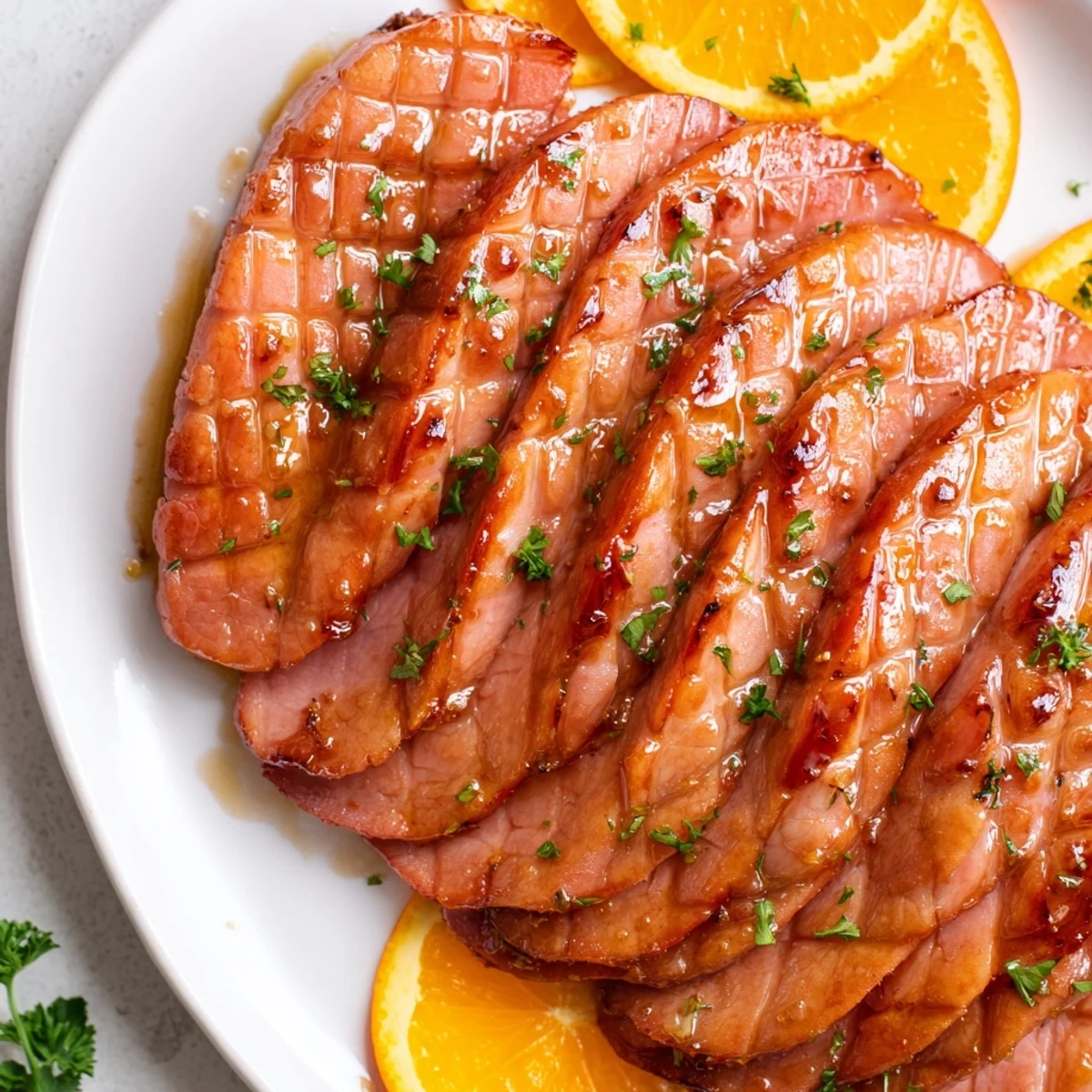
 This Easter turkey ham roast features a succulent, fully cooked turkey ham brushed with a rich glaze blending honey, Dijon and whole-grain mustard, brown sugar, apple cider vinegar, black pepper, and cloves. Roasted slowly to develop a caramelized finish, it’s perfect for holiday celebrations. Scoring the ham allows the glaze to soak deeply, enhancing flavor and tenderness. Rest before slicing and garnish with fresh parsley and orange slices for a dish full of vibrant taste and holiday cheer.
The smell of cloves and honey always pulls me back to Easter Sunday three years ago when my sister accidentally bought turkey ham instead of the traditional ham she intended. We all laughed about it, but that mistake turned into one of the best Easter dinners we've ever had. The sweetness of the glaze hit differently against the turkey ham's lighter profile, and now it's become the requested centerpiece for every holiday gathering since.
Last Easter, my nephew who claims to hate everything 'fancy' went back for fourths of this turkey ham. Watching him sneak extra pieces while helping himself to more glaze with his finger was priceless. That moment when picky eaters abandon their rules is exactly why I keep making this year after year.
Ingredients
- Turkey Ham: This boneless cut is already fully cooked, which means you're really just warming it through and creating that gorgeous glaze. I've found that scoring the surface helps the flavors sink deeper into the meat.
- Honey: The base of your glaze and what gives it that beautiful shine. Local honey adds depth, but whatever you have in your pantry works perfectly fine.
- Brown Sugar: This caramelizes beautifully in the oven and creates those gorgeous dark sticky pockets everyone fights over.
- Dijon Mustard: Adds just enough sharpness to cut through all that sweetness. Dont skip it or the glaze becomes one note.
- Apple Cider Vinegar: The secret ingredient that balances everything out. It cuts through the sweetness and makes each bite more complex.
- Ground Cloves: This is what screams Easter dinner to me. A little goes a long way, so measure carefully.
Instructions
- Prep Your Oven and Meat:
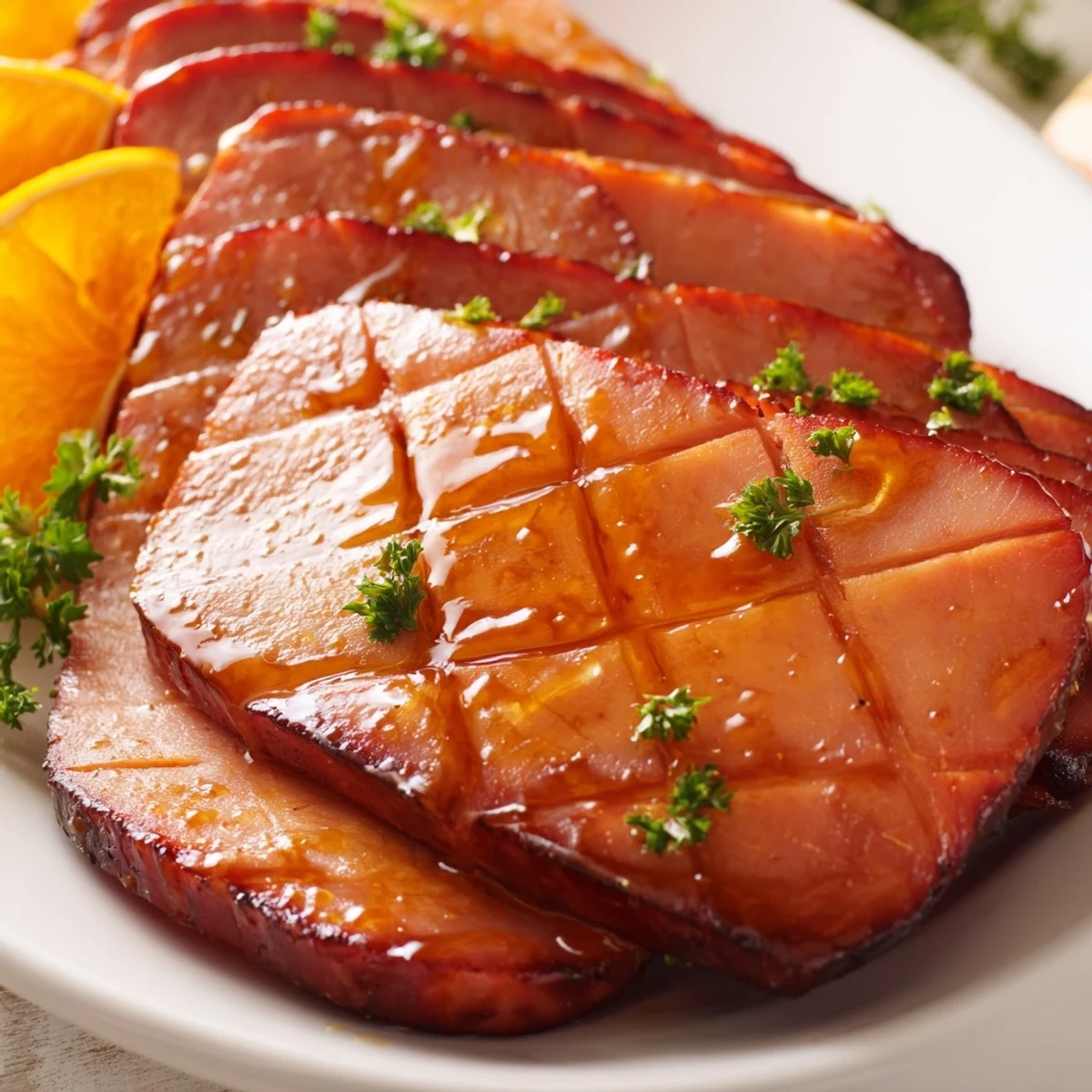
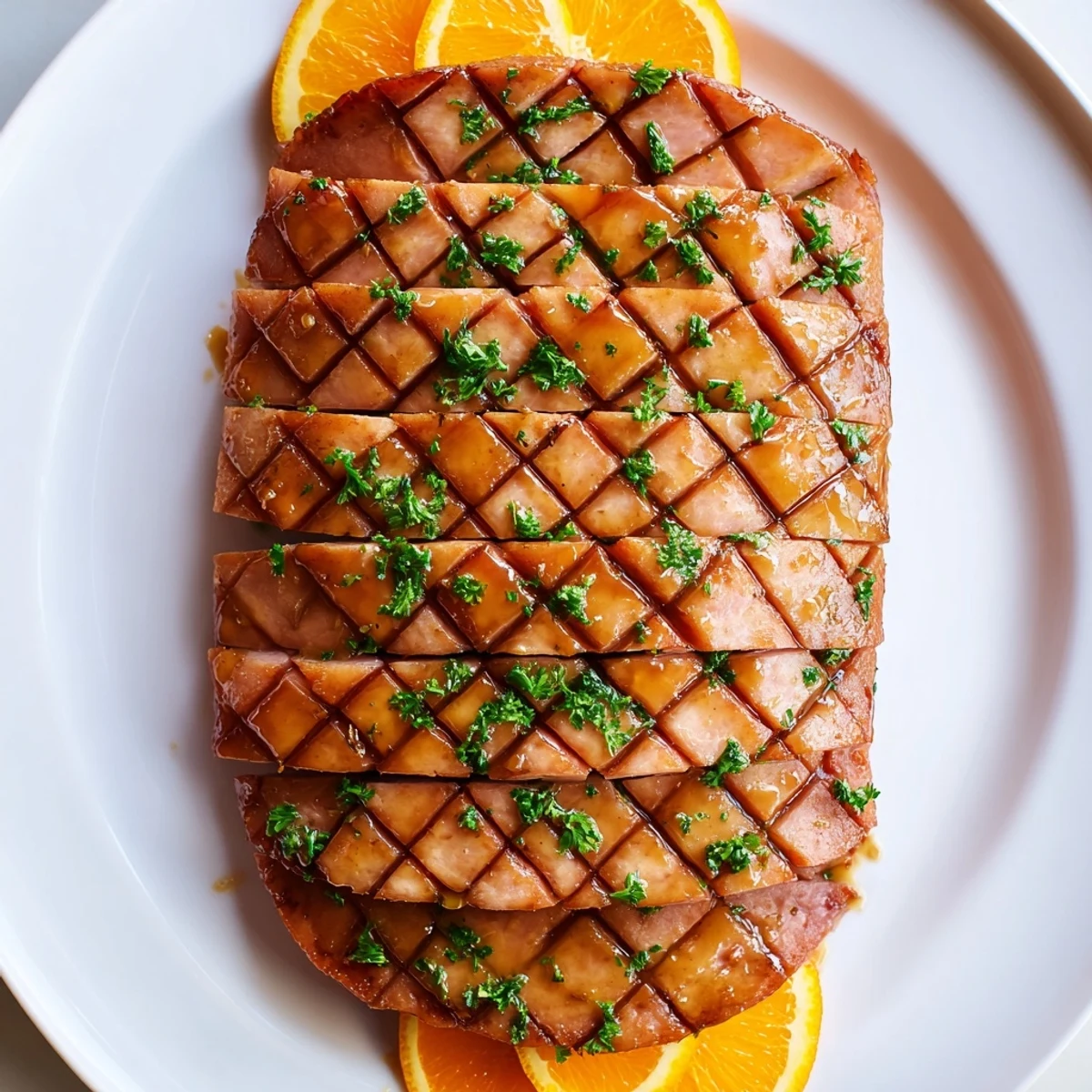
- Get your oven to 325F and place the turkey ham on a rack in your roasting pan. Take a moment to score the surface in a diamond pattern if you want that extra glaze penetration and professional look.
- Make That Magic Glaze:
- Combine the honey, Dijon mustard, brown sugar, apple cider vinegar, whole grain mustard, black pepper, and cloves in a small saucepan. Let it simmer over medium heat, stirring until the sugar completely dissolves, then pull it off the heat.
- First Glaze Session:
- Brush half of your warm glaze evenly over the turkey ham, then loosely cover the whole thing with foil. This first layer is going to create a base layer of flavor.
- The Slow Roast:
- Let it roast for about an hour, basting with those pan juices once or twice. The foil keeps everything moist while the flavors start to meld together.
- The Glaze Grand Finale:
- Remove that foil and brush on the remaining glaze. Roast uncovered for another 20 to 30 minutes until the glaze is beautifully caramelized and the internal temperature hits 140F.
- The Waiting Game:
- Let it rest for 10 minutes before slicing. This rest period is crucial for keeping all those juices inside where they belong.
 Save Pin
 My dad still talks about the year I forgot to score the ham and how the glaze just slid right off. Now it's become a family joke and he always asks to see the diamond pattern before I put it in the oven. These little traditions build up around recipes that stick around.
Making Ahead Like a Pro
You can make the glaze up to three days ahead and store it in the fridge. Just warm it slightly before brushing it on the meat. I've also glazed and roasted the turkey ham the day before, then reheated it at 300F for about 20 minutes before serving.
Leftovers That Shine
This turkey ham makes incredible sandwiches the next day. My favorite is piling it onto a croissant with a little extra glaze and some sharp cheddar. It also works beautifully diced into breakfast hash or added to a spring salad with fresh berries.
Wine Pairings That Work
A Riesling plays beautifully with the sweet glaze, while a Gewürztraminer stands up to those spices in the rub. If you prefer red, a light Pinot Noir won't overpower the meat. The key is matching the sweetness level of your wine to the glaze intensity.
- Let the glaze cool slightly before brushing to prevent it from sliding right off the meat
- If your glaze thickens too much in the fridge, add a teaspoon of warm water to thin it out
- Save any extra glaze to serve on the side for guests who want that extra sticky sweetness
 Save Pin
 There's something about bringing this turkey ham to the table, all glistening and caramelized, that makes Easter feel complete. Here's to new traditions born from happy accidents.
Recipe FAQs
- → What temperature should I roast the turkey ham at?
-
Roast the turkey ham at 325°F (165°C) for optimal tenderness and glaze caramelization.
- → How do I prepare the glaze for the ham?
-
Simmer honey, Dijon mustard, brown sugar, apple cider vinegar, whole-grain mustard, black pepper, and cloves until sugar dissolves to create a sweet and tangy glaze.
- → Why is the ham scored before glazing?
-
Scoring the ham allows the glaze to penetrate deeper, enhancing flavor throughout the meat.
- → Can I add any garnishes when serving?
-
Fresh parsley and orange slices add a bright, fresh touch that complements the rich flavors of the ham.
- → What should the internal temperature be to ensure it's ready?
-
The ham should reach an internal temperature of 140°F (60°C) for ideal warmth and texture as it is fully cooked already.