
 Save Pin
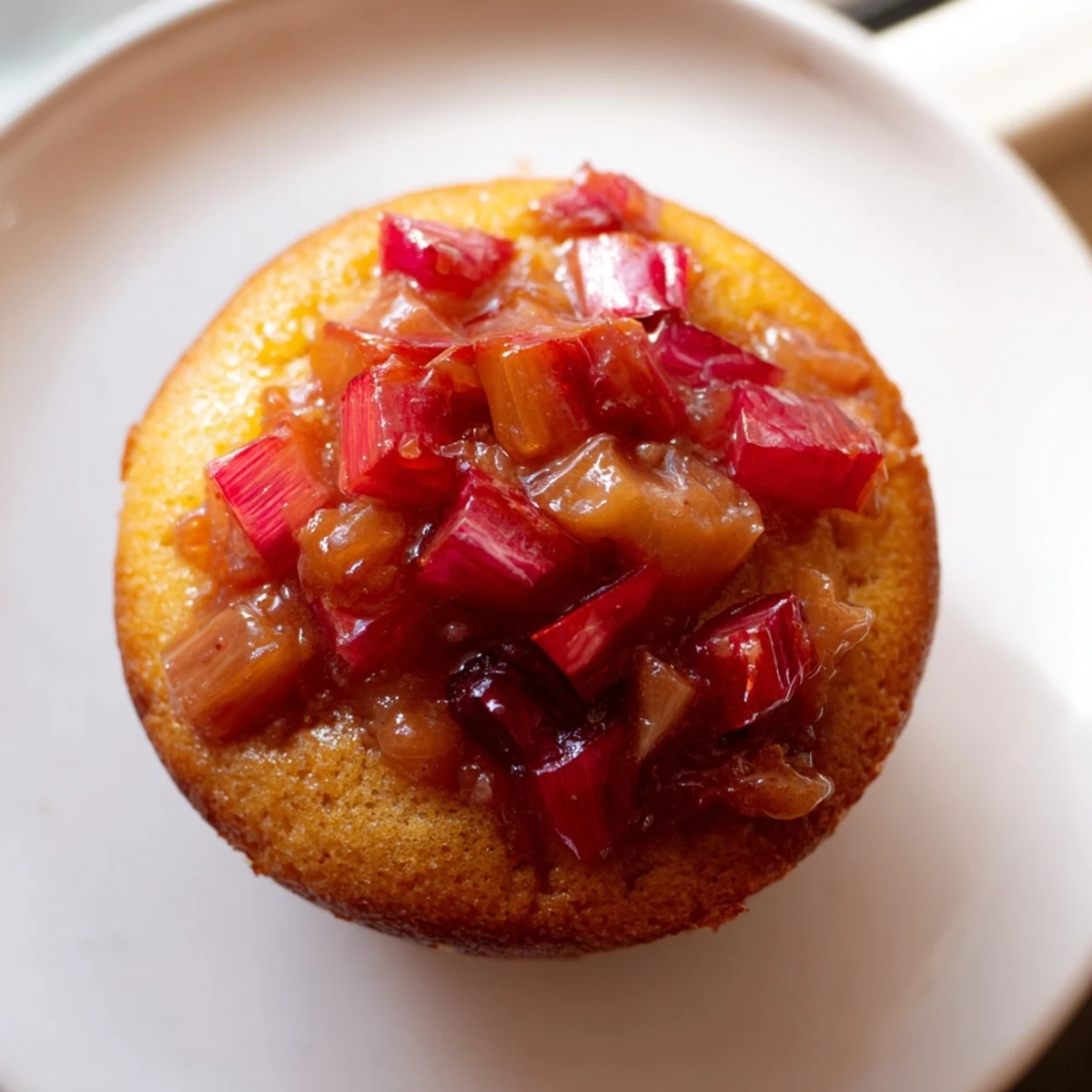
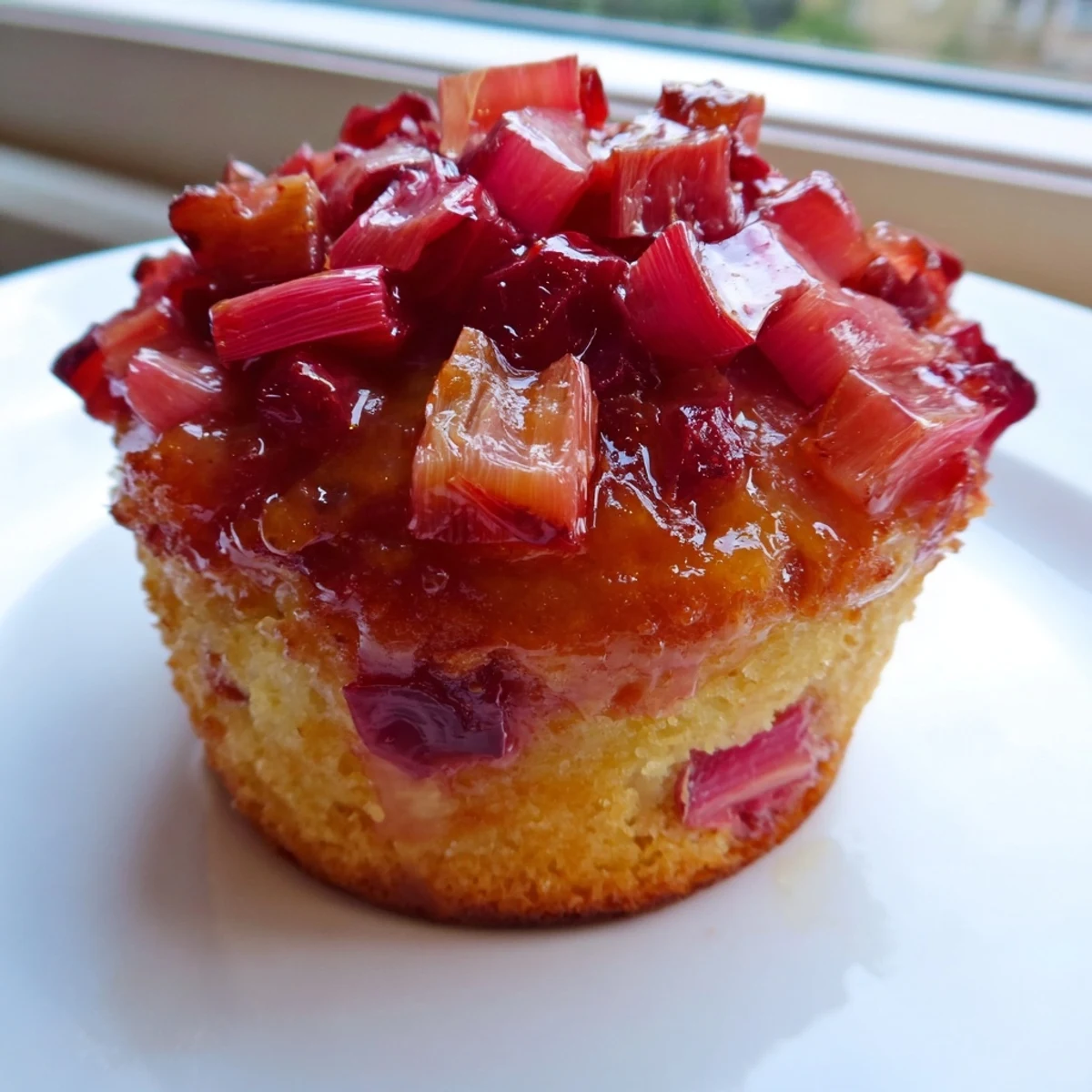
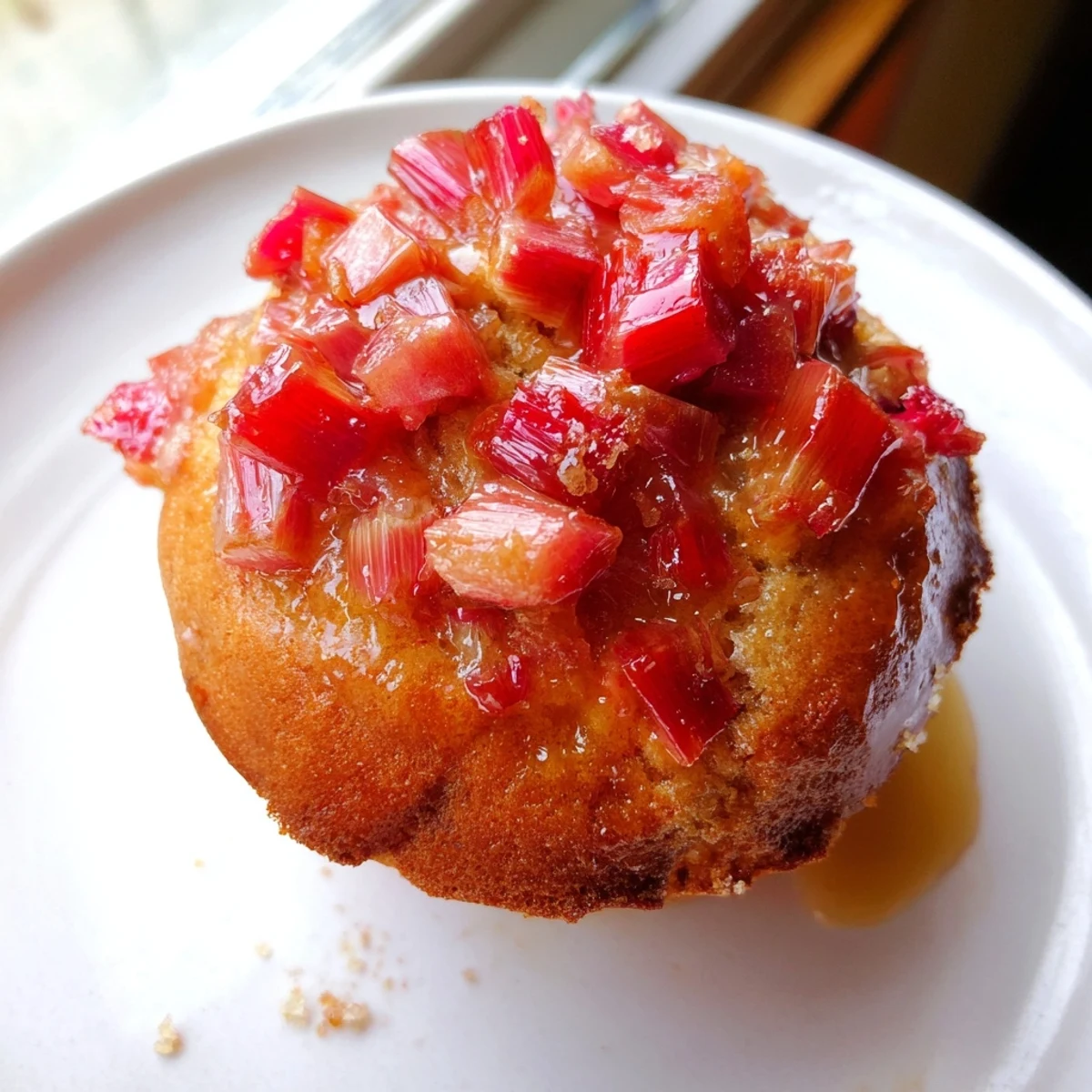
 These upside down rhubarb muffins feature a layer of fresh diced rhubarb mixed with sugar and butter that caramelizes at the bottom of each muffin cup during baking. Once flipped, the glistening rhubarb topping becomes the star.
The moist buttermilk batter comes together quickly with pantry staples. A hint of vanilla rounds out the flavor, while baking powder and soda ensure a tender, fluffy crumb.
Ready in under an hour, they're ideal for spring brunches, afternoon snacks, or served warm with a scoop of vanilla ice cream for a casual dessert.
My neighbor left a paper bag of rhubarb on my doorstep one June morning, stalks still damp from her garden, and I stood in my kitchen wondering what to do with the lot before it went soft on me.
I brought a still warm batch to a potluck and watched people peel off the paper liners just to see what was underneath, the ruby fruit glistening on top like something far fancier than what came out of my modest kitchen.
Ingredients
- Fresh rhubarb (1 1/2 cups, diced): The star of the show, so pick stalks that are firm and brightly colored, never limp or bruised.
- Granulated sugar (1/2 cup for rhubarb layer, 1/2 cup for batter): Split between the fruit and the batter, each portion does a distinctly different job.
- Unsalted butter (2 tbsp melted for rhubarb, 1/3 cup melted and cooled for batter): The fruit layer butter helps everything caramelize, while the batter butter needs to be cooled so it does not cook the egg on contact.
- All purpose flour (1 3/4 cups): Spooned and leveled is the way to go here, because packed flour leads to dense muffins.
- Baking powder (2 tsp) and baking soda (1/2 tsp): This duo works together with the acidic buttermilk to give you a tall, tender crumb.
- Salt (1/4 tsp): Just enough to sharpen the sweet and tart flavors so nothing tastes flat.
- One large egg: Brings structure and richness, and should be at room temperature so it blends smoothly into the wet mix.
- Buttermilk (3/4 cup): The secret to a moist crumb, and regular milk simply will not give you the same result.
- Pure vanilla extract (1 tsp): A quiet backdrop that ties the tart fruit and sweet cake together.
Instructions
- Set the stage:
- Preheat your oven to 375 degrees F and grease a standard 12 cup muffin tin generously, or press in paper liners if you prefer a cleaner release.
- Build the fruity base:
- Toss the diced rhubarb with half a cup of sugar and two tablespoons of melted butter until every piece glistens, then spoon a heaping tablespoon of this mixture into the bottom of each muffin cup, pressing it down gently so it lies flat.
- Whisk the dry team:
- In a large bowl, combine the flour, the remaining half cup of sugar, baking powder, baking soda, and salt, whisking until evenly distributed and no pockets of leavening hide in the corners.
- Blend the wet ingredients:
- In a separate bowl, whisk the cooled melted butter, egg, buttermilk, and vanilla until the mixture looks silky and uniform, with no streaks of egg floating on top.
- Bring it all together:
- Pour the wet ingredients into the dry bowl and fold gently with a spatula, stopping the moment the last streak of flour disappears, because overmixed batter turns tough and rubbery.
- Top the fruit:
- Divide the batter evenly among the cups, spooning it directly over the rhubarb layer and smoothing the tops so each muffin bakes uniformly.
- Bake until golden:
- Slide the tin into the center of the oven and bake for 22 to 25 minutes, checking with a toothpick at the low end, and pull them out the moment it comes out clean.
- The flip:
- Let the muffins rest in the pan for exactly five minutes, then run a butter knife around each edge, place a wire rack on top of the tin, and invert the whole thing in one confident motion so the rhubarb ends up on top where it belongs.
 Save Pin
 The morning I realized my teenage son had eaten three of these before I even poured my coffee, I knew the recipe had earned a permanent spot in my binder.
Making It Your Own
A pinch of ground cinnamon or grated ginger folded into the rhubarb layer adds a warmth that makes these muffins feel right at home on a chilly autumn morning.
Serving Suggestions
Split a warm muffin in half and tuck a scoop of vanilla bean ice cream between the pieces, and you have a dessert that will silence anyone who claims muffins are just for breakfast.
Storing and Reheating
These keep beautifully in an airtight container at room temperature for up to three days, though in my experience they rarely last that long.
- A ten second spin in the microwave brings back that just baked softness.
- You can freeze them individually wrapped in foil for up to a month.
- Always store them upside down so the fruit layer does not smear against the lid.
 Save Pin
 Every time rhubarb season rolls around, this is the recipe that gets pulled first, and somehow it tastes a little better each year.
Recipe FAQs
- → Can I use frozen rhubarb instead of fresh?
-
Yes, frozen rhubarb works well. Thaw it first and pat it dry with paper towels to remove excess moisture before dicing and using in the bottom layer.
- → How do I prevent the muffins from sticking when inverting?
-
Grease the muffin tin generously, let the muffins cool for exactly 5 minutes in the pan, then run a butter knife around each edge before flipping onto a wire rack. Inverting while still warm is key.
- → Can I add other fruits to the rhubarb layer?
-
Absolutely. Sliced strawberries pair beautifully with rhubarb for a sweeter version. You can also try adding a pinch of cinnamon or ground ginger to the rhubarb mixture for warmth.
- → How should I store leftover muffins?
-
Store them in an airtight container at room temperature for up to 2 days. For longer storage, refrigerate for up to 5 days or freeze individually wrapped muffins for up to 3 months.
- → What can I substitute for buttermilk?
-
you can make a quick substitute by adding ¾ tablespoon of white vinegar or lemon juice to ¾ cup of regular milk. Let it sit for 5 minutes until it curdles slightly before using.
- → Why do my muffins have tunnels or look dense?
-
Overmixing the batter is the most common cause. Mix the wet and dry ingredients together just until combined — a few lumps are perfectly fine. Overmixing develops gluten and creates a tough, dense texture.