
 Save Pin
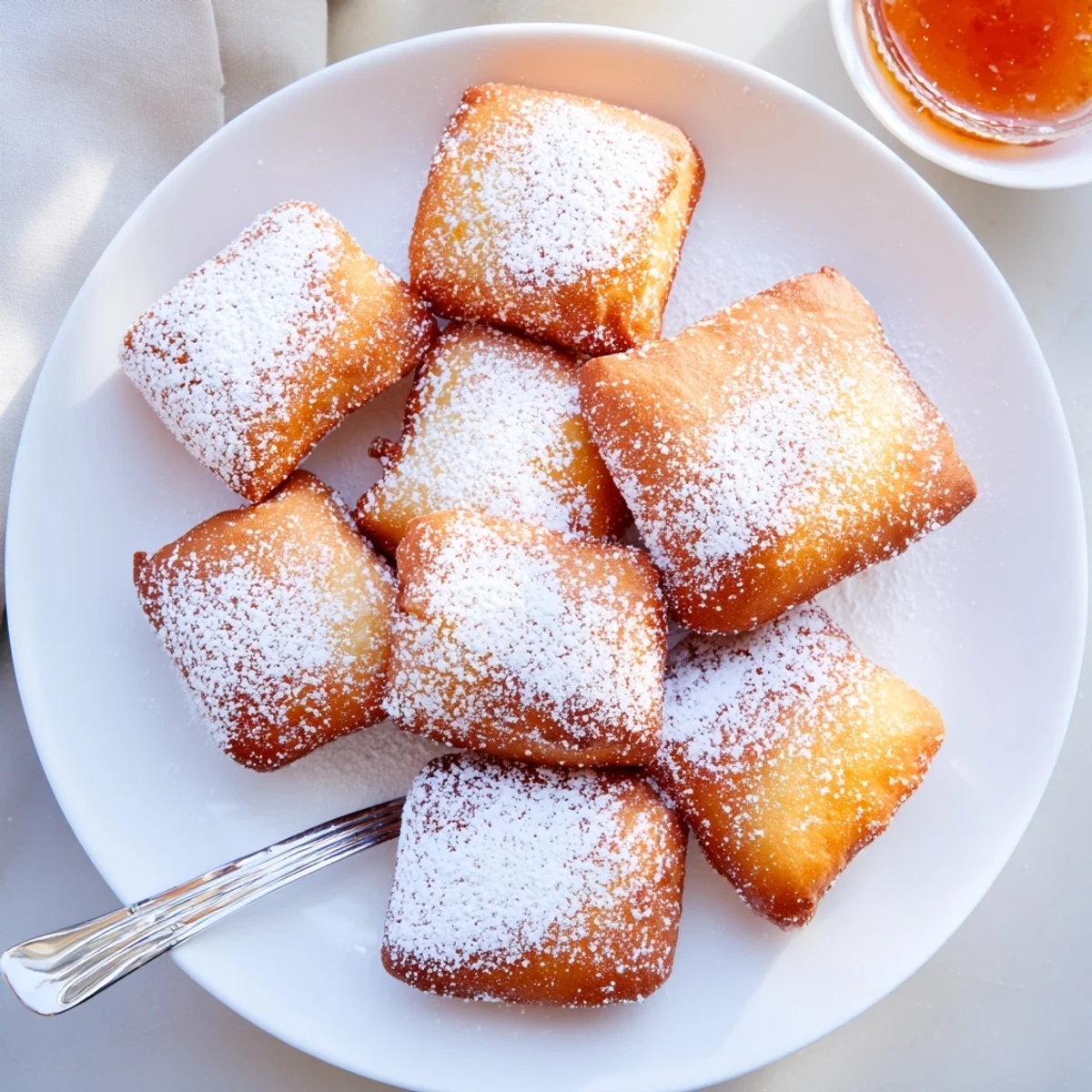
 These delicate French pastries feature a pillowy texture achieved through careful yeast preparation and proper rising time. The dough combines flour, sugar, eggs, and butter with aromatic vanilla extract, creating a subtly sweet base that pairs perfectly with the traditional powdered sugar coating.
Frying at the right temperature ensures golden, crispy exteriors while maintaining soft, airy interiors. The classic technique involves two rising periods, allowing the yeast to develop flavor and create the signature lightness.
Best served warm immediately after frying, these squares transform simple ingredients into an elegant dessert or luxurious breakfast. The finishing touch of powdered sugar adds just the right amount of sweetness and creates the iconic appearance.
Last winter, after too many gray days in a row, I found myself standing in my kitchen at midnight determined to recreate the beignets I'd fallen in love with on a rainy Paris trip years ago. The memory of that warm café, the smell of frying dough, and sugar clouds drifting through the air wouldn't leave me alone. Three batches later, my entire apartment smelled like a bakery and I'd eaten more beignets than I care to admit, but I finally nailed it.
My sister came over unexpectedly during that beignet experimentation phase. She walked in, powdered sugar still floating in the air, saw the mountain of fried dough on my counter, and didn't even ask what happened. She just grabbed a napkin, sat on my kitchen floor, and we demolished half the batch while catching up on three months of life. Now beignets are our thing.
Ingredients
- 3 1/2 cups all-purpose flour: The foundation of everything, don't substitute whole wheat here or you'll lose that signature puff
- 1/4 cup granulated sugar: Just enough sweetness to balance without making these dessert heavy
- 2 1/4 tsp active dry yeast: Use fresh yeast, expired yeast is the reason most failed beignets happen
- 1/2 tsp salt: Essential for flavor depth, skip this and they'll taste flat
- 3/4 cup whole milk, lukewarm: The fat content matters here, skim milk won't give you the same tender crumb
- 1/4 cup warm water: Should feel like bathwater, too hot kills yeast, too cold wakes it slowly
- 2 large eggs, room temperature: Cold eggs can shock the dough and affect rising
- 1/4 cup unsalted butter, melted and cooled: Let it cool slightly so it doesn't scramble the eggs when you add it
- 2 tsp pure vanilla extract: Don't use imitation, the real stuff makes these sing
- 4 cups vegetable oil: Neutral oils work best, olive oil will make these taste strange
- 1 cup powdered sugar: Sift it before dusting or you'll get clumps instead of that snowfall effect
Instructions
- Wake up the yeast:
- Stir the yeast into warm water and watch for tiny bubbles, that foam tells you it's alive and ready to work
- Mix your dry foundation:
- Whisk flour, sugar, and salt together so everything is evenly distributed before the wet ingredients hit
- Bring it all together:
- Pour in the yeast mixture, milk, eggs, butter, and vanilla, then let the mixer do the hard work for 5-7 minutes until the dough smooths out and becomes slightly tacky
- Let it rise:
- Move the dough to an oiled bowl, cover it, and find the warmest spot in your kitchen, then walk away for an hour or until it's doubled
- Roll and cut:
- Punch down the dough gently, turn it onto a floured surface, roll to half an inch thick, and cut into squares with confidence
- Second rise:
- Arrange on parchment, cover lightly, and give them another 30 minutes to puff up, this step is what makes them pillowy instead of dense
- Heat the oil:
- Get your oil to 350 degrees, a candy thermometer is worth it here, too cool and they soak up oil, too hot and they burn outside while raw inside
- Fry to golden:
- Cook them in batches for 1-2 minutes per side, watching for that perfect golden brown, and resist the urge to crowd the pot
- The finishing touch:
- Let them drain briefly, then while they're still warm, shower them generously with sifted powdered sugar and serve immediately
 Save Pin
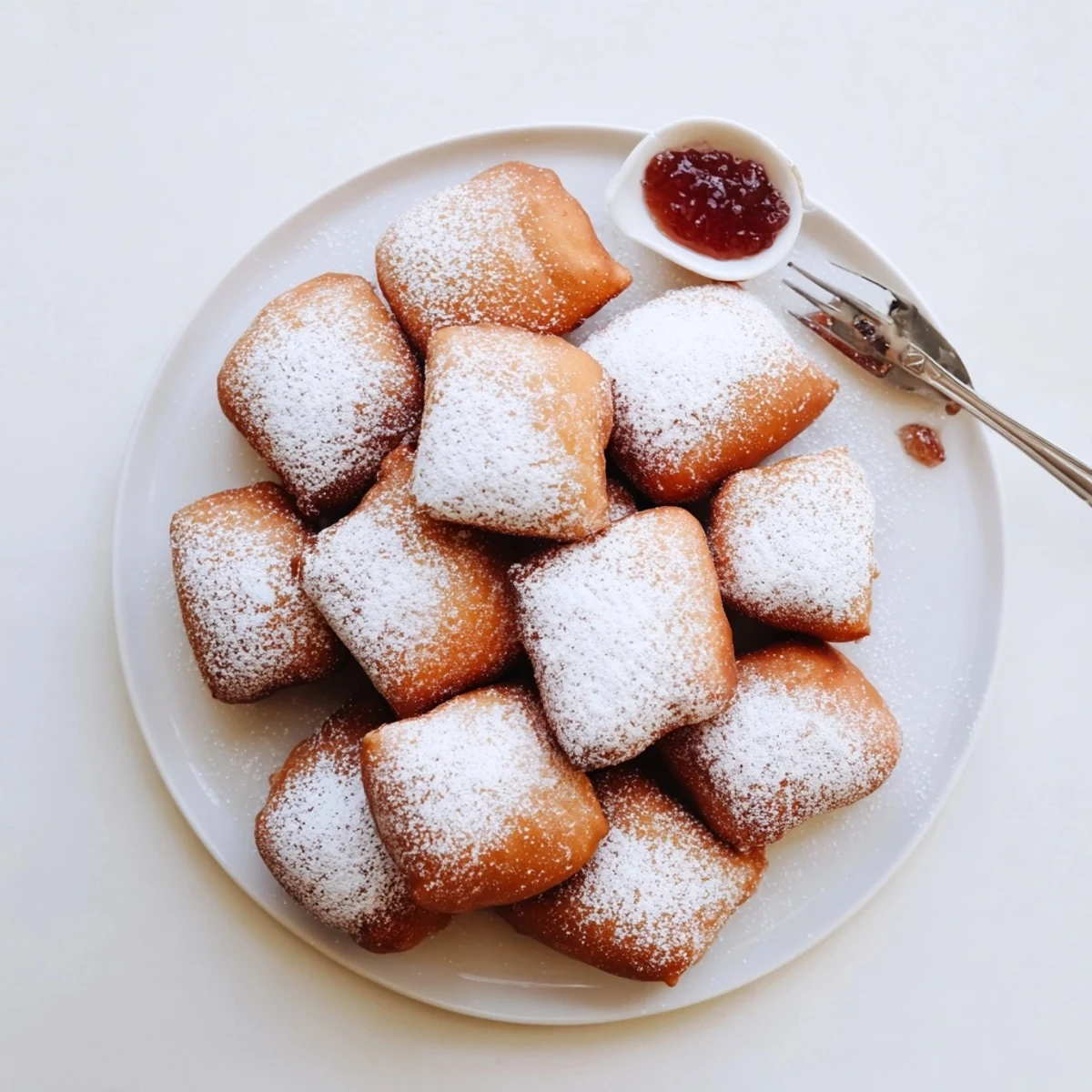
 These became my go-to snow day treat last winter. Watching the snow fall while frying dough and dipping beignets into coffee became this tiny perfect ritual that made February feel less endless.
Getting That Perfect Puff
The secret is in the dough temperature and not overworking it. If your kitchen runs cold, I've found that turning on the oven for just a minute, then turning it off and letting the dough rise inside creates that ideal warm environment. The yeast wakes up happy and your beignets reward you with height.
Frying Without Fear
Deep frying intimidates so many people, but once you understand temperature control it becomes second nature. I keep an instant read thermometer nearby and adjust my heat as needed. The first batch is always my test run, and by the second I'm in the rhythm.
Serving Suggestions That Work
Beyond the classic powdered sugar shower, these pair beautifully with so many flavors. A dark chocolate dipping sauce takes them from breakfast to dessert instantly. Fresh berries add brightness. Or keep it traditional with café au lait for dipping.
- Warm your serving plates first, cold beignets lose their magic fast
- Extra powdered sugar on the table lets people control their own mess level
- Eat them within an hour, they just don't reheat with the same texture
 Save Pin
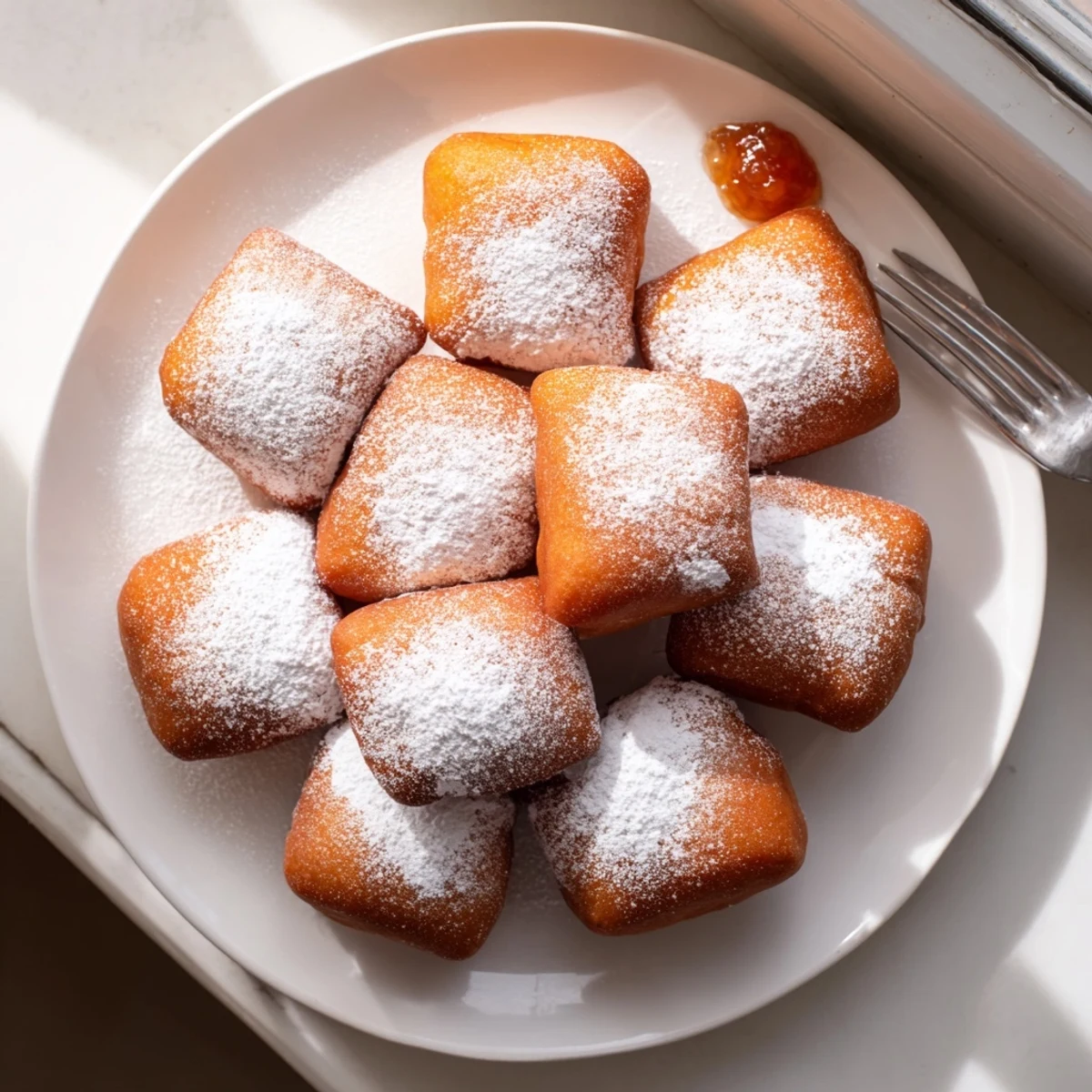
 There's something about making beignets that slows down time and makes the kitchen feel like the best place in the world. I hope they bring that same warmth to your table.
Recipe FAQs
- → How do I know when the oil is at the right temperature for frying?
-
Use a kitchen thermometer to ensure the oil reaches 350°F (175°C). If you don't have one, drop a small piece of dough into the oil—if it sizzles immediately and rises to the surface, the oil is ready. Maintaining proper temperature is crucial for achieving golden, evenly cooked results without absorbing excess oil.
- → Can I make the dough ahead of time?
-
Yes, you can prepare the dough and refrigerate it after the first rise, tightly wrapped, for up to 24 hours. Let it come to room temperature before rolling and cutting. The second rise should still be done at room temperature for the best texture and puffiness during frying.
- → Why didn't my beignets puff up properly?
-
Several factors can affect puffiness: the yeast may not have been activated properly, the dough might not have risen enough, or the oil temperature could be too low. Ensure your yeast is fresh and foamy before incorporating it. Allow adequate time for both rising periods, and maintain the oil at 350°F throughout frying.
- → What's the best way to reheat leftover beignets?
-
For optimal texture, reheat in a 350°F (175°C) oven for 3-5 minutes until warm and slightly crisp. Avoid microwaving as it makes them soggy. After reheating, give them a fresh dusting of powdered sugar to restore their appearance and flavor.
- → Can I bake these instead of frying?
-
While traditional beignets are fried for their characteristic crispy exterior, you can bake them at 400°F (200°C) for 12-15 minutes. The texture will be more bread-like rather than crispy and airy. Brush with melted butter before baking and dust with sugar immediately after removing from the oven.
- → How should I store beignets?
-
These are best enjoyed fresh and warm, but leftovers can be stored in an airtight container at room temperature for up to 2 days. Place parchment paper between layers to prevent sticking. Note that they will lose some crispiness—reheating in the oven helps restore texture slightly.