
 Save Pin
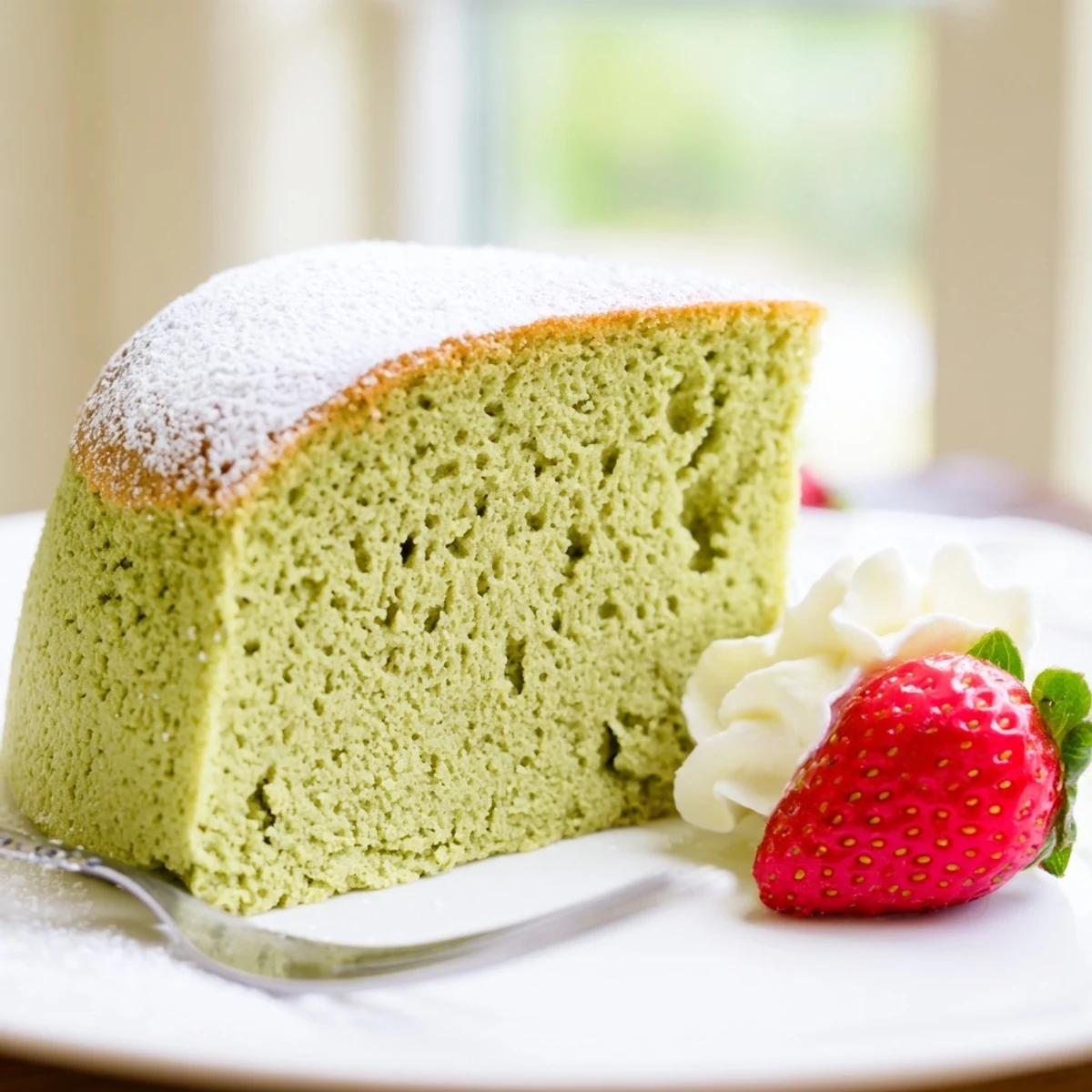
 This Japanese-inspired matcha cake delivers a soft, fluffy sponge with the delicate, earthy flavor of premium green tea powder. The batter comes together by sifted dry ingredients — flour, matcha, baking powder, and salt — gently folded into a whisked mixture of eggs, sugar, melted butter, and milk.
Baked at 350°F for about 30–35 minutes, the result is a beautifully green-hued cake perfect for afternoon tea, dessert gatherings, or a quiet weekend treat. Dust with powdered sugar and pair with whipped cream or fresh berries for a elegant finish.
The smell of matcha hitting warm butter in a mixing bowl is one of those small kitchen surprises that stops you mid-stir. A friend brought me a tin of ceremonial grade matcha from Kyoto last spring and I stood in my kitchen just breathing it in before figuring out what to make with it. This sponge cake was the happy result of that afternoon experiment.
I brought this to a potluck where nobody expected a green cake and it disappeared before the main course did. Someone asked if the color came from food dye and I laughed, watching their expression shift when they tasted that real, grassy sweetness.
Ingredients
- 1 1/2 cups (180 g) all-purpose flour: The backbone of the crumb and sifting it makes the texture lighter than air.
- 2 tbsp matcha green tea powder: Use culinary grade for baking as ceremonial grade is too delicate and the flavor gets lost in the oven.
- 1 tsp baking powder: Fresh baking powder matters here so check the date on the can.
- 1/4 tsp salt: Just enough to sharpen the matcha and keep the sweetness honest.
- 3/4 cup (150 g) granulated sugar: This amount balances the natural bitterness of green tea without turning the cake into candy.
- 1/2 cup (120 ml) whole milk, room temperature: Cold milk can seize the melted butter so let it sit out while you prep everything else.
- 2/3 cup (150 g) unsalted butter, melted and slightly cooled: Cooling it prevents scrambling your eggs when you combine the wet ingredients.
- 3 large eggs, room temperature: Room temp eggs whip into a fluffier batter and give you that tender Japanese sponge texture.
- 1 tsp vanilla extract: A quiet background note that rounds out the green tea beautifully.
- Powdered sugar, whipped cream, or fresh berries (optional): A dusting of powdered sugar looks elegant and fresh berries add a tart contrast that loves matcha.
Instructions
- Preheat and prepare the pan:
- Set your oven to 350 degrees F (175 degrees C) and grease an 8-inch round cake pan before lining the bottom with parchment paper. This ensures your cake releases cleanly without sticking.
- Sift the dry ingredients together:
- In a medium bowl, sift the flour, matcha powder, baking powder, and salt until the mixture is an even, beautiful pale green. Sifting eliminates lumps and aerates the flour for a lighter crumb.
- Whisk eggs and sugar until fluffy:
- In a large bowl, beat the eggs and sugar together vigorously for about 2 to 3 minutes until the mixture turns pale yellow and falls in thick ribbons from the whisk. This step builds the structure that keeps your cake tall and soft.
- Add butter and vanilla:
- Pour in the melted butter and vanilla extract, folding gently until just incorporated. The batter will look silky and smell incredible at this point.
- Combine wet and dry in alternating additions:
- Add the dry ingredients and milk in three parts, starting and ending with the dry mixture, and fold with a spatula until barely combined. Overmixing is the enemy of a tender sponge so stop while you still see a few streaks of flour.
- Pour and smooth the batter:
- Transfer the batter into your prepared pan and use the spatula to gently smooth the top. Give the pan a light tap on the counter to release any trapped air bubbles.
- Bake until golden edged:
- Bake for 30 to 35 minutes until the edges pull slightly from the pan and a toothpick inserted in the center comes out clean. The top should spring back gently when pressed with a fingertip.
- Cool with patience:
- Let the cake rest in the pan for 10 minutes, then turn it out onto a wire rack to cool completely. Rushing this step leads to breakage so resist the temptation to flip it too soon.
- Finish and serve:
- Dust generously with powdered sugar and add whipped cream or fresh berries alongside each slice if you like. The cake is lovely on its own but a few raspberries make it feel like a celebration.
 Save Pin
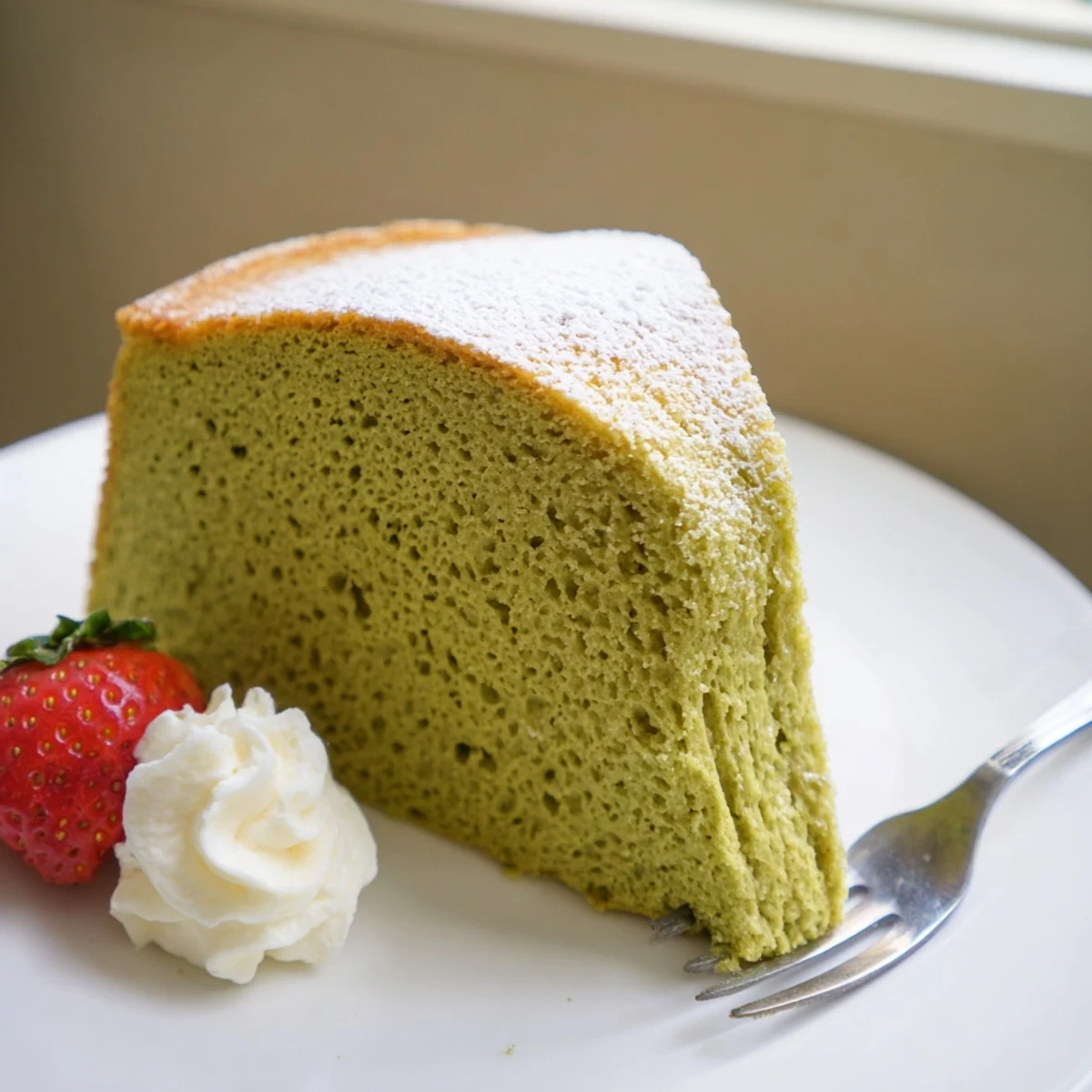
 A rainy Tuesday afternoon, a pot of green tea steaming beside me, and a slice of this cake on a small plate is my idea of perfect solitude.
Getting That Vibrant Green Color
The color of your cake depends entirely on the matcha you choose. Cheaper powders bake up a dull olive brown while a decent culinary grade gives you that pretty pistachio green. I learned this after my first attempt came out looking like a camouflage cake and tasting vaguely of disappointment.
Storage That Keeps It Moist
Wrap leftover cake tightly in plastic wrap and keep it at room temperature for up to three days. The fridge dries out sponge cakes mercilessly so unless your kitchen is genuinely hot, leave it on the counter under a cake dome.
Serving Suggestions Worth Trying
This cake pairs beautifully with a cup of hojicha or a glass of sparkling wine if you are feeling indulgent. The earthy sweetness also works alongside a scoop of vanilla bean ice cream for a simple but memorable dessert.
- Warm slices briefly in the microwave for 10 seconds to soften the crumb.
- A drizzle of honey over the powdered sugar adds a lovely floral note.
- Always let the cake cool completely before wrapping or condensation will make the surface sticky.
 Save Pin
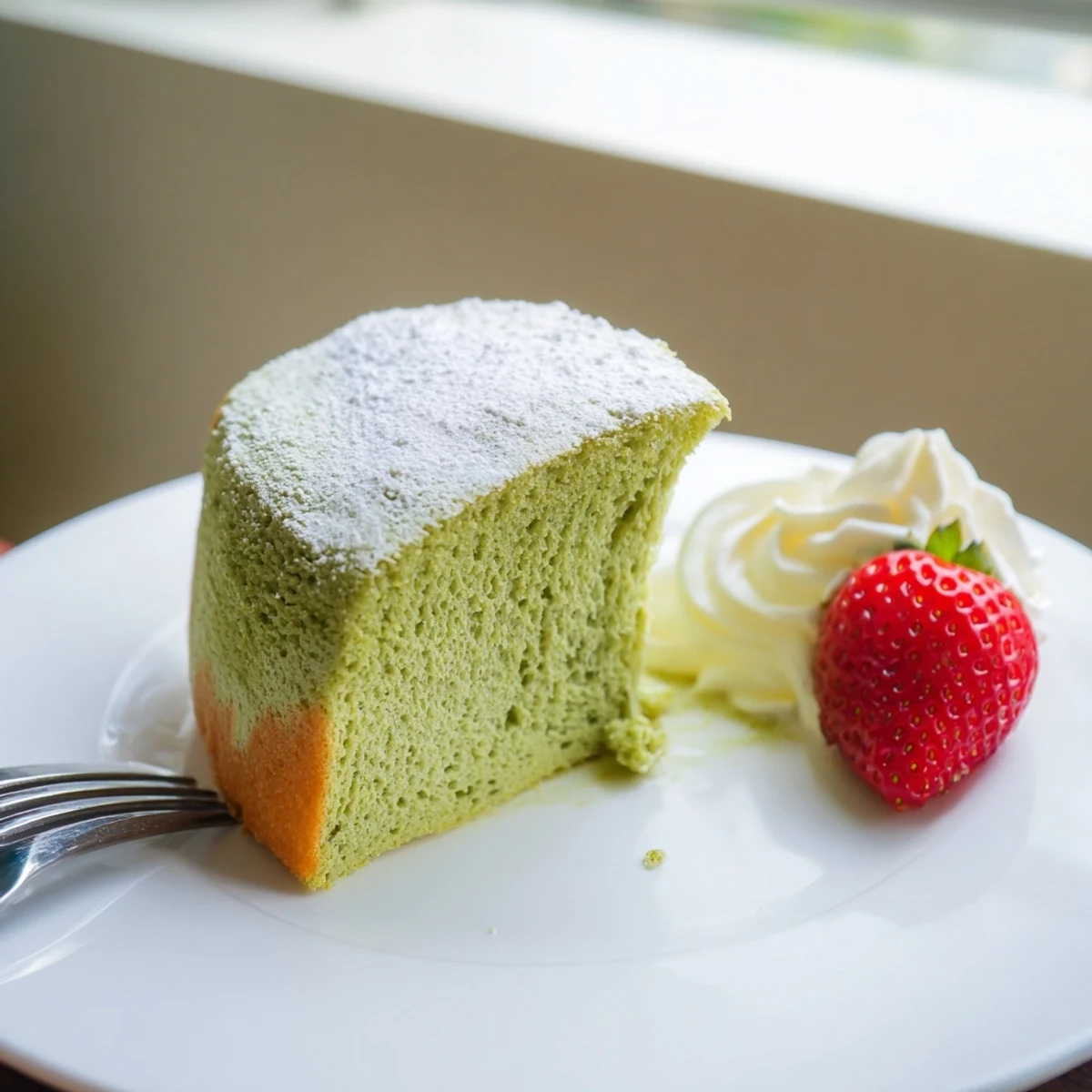
 Every time I bake this cake, the kitchen fills with that warm, toasty green tea aroma and I feel like I am learning something new about slowing down.
Recipe FAQs
- → What grade of matcha should I use for baking this cake?
-
Culinary-grade matcha works perfectly for baking. It provides robust flavor that holds up during the baking process while being more affordable than ceremonial grade. Look for a vibrant green color as an indicator of quality.
- → Can I make this matcha cake ahead of time?
-
Yes, this cake stores well. Wrap it tightly in plastic wrap and keep at room temperature for up to 2 days, or refrigerate for up to 5 days. Bring to room temperature before serving for the best texture and flavor.
- → Why did my matcha cake turn out dense instead of fluffy?
-
Overmixing the batter is the most common cause. Fold the dry and wet ingredients together gently until just combined. Also ensure your eggs are at room temperature and whisked until pale and fluffy before incorporating the other ingredients.
- → Can I substitute the all-purpose flour with a gluten-free alternative?
-
A 1:1 gluten-free baking flour blend can replace all-purpose flour. For extra moisture retention, you might add an extra tablespoon of milk. The texture will be slightly different but still delicious with the matcha flavor shining through.
- → How can I intensify the matcha flavor in this cake?
-
Add up to one extra tablespoon of matcha powder for a bolder, more pronounced green tea taste. You can also brush the cooled cake with a light matcha syrup made from dissolved matcha and sugar for an additional flavor layer.
- → What pairs well with this matcha sponge cake?
-
Green tea, white tea, or a glass of sparkling wine complement the earthy matcha beautifully. For toppings, whipped cream, fresh berries, a drizzle of white chocolate, or a dusting of powdered sugar all work wonderfully.