
 Save Pin
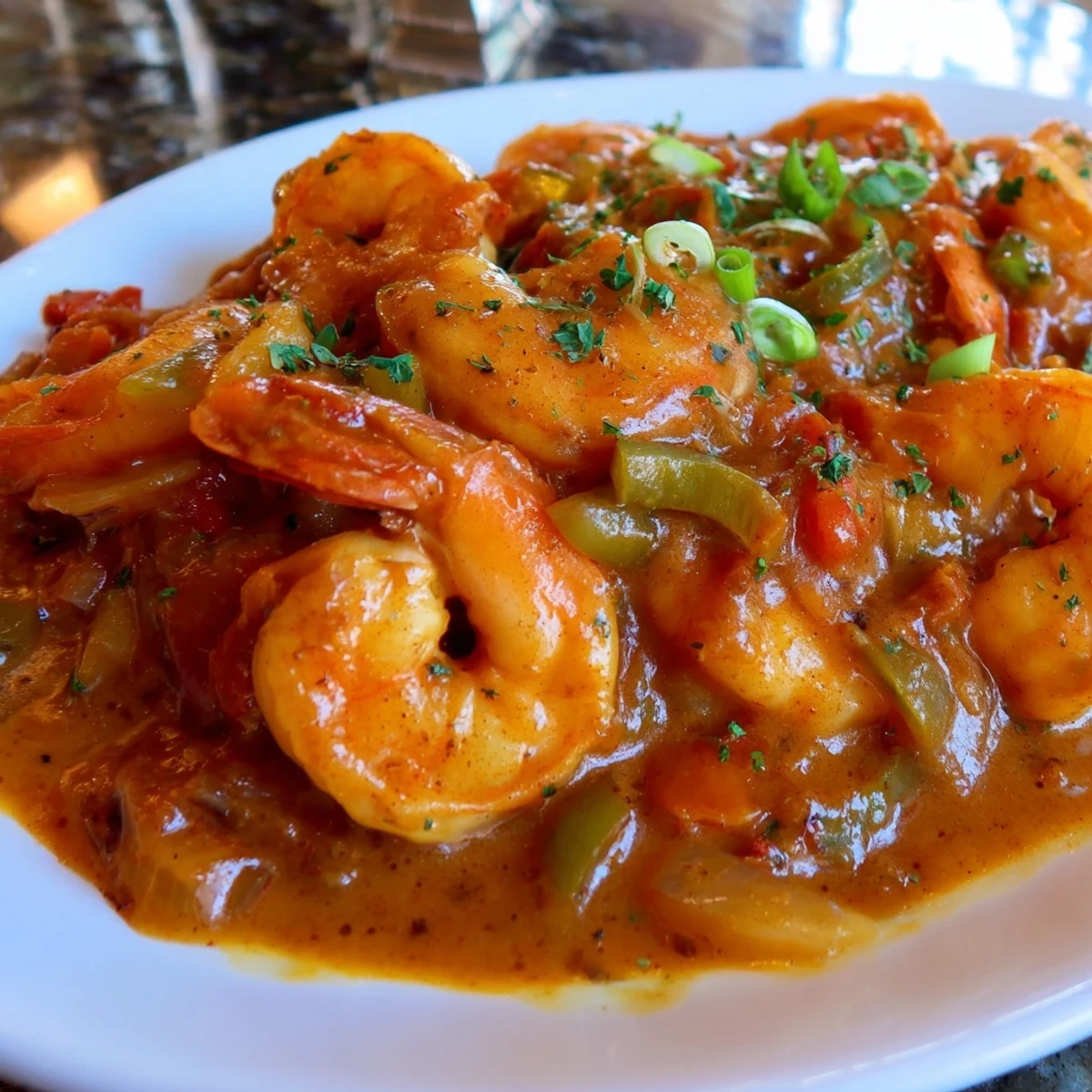
 This Louisiana Creole classic features succulent shrimp simmered slowly in a deeply flavorful roux-based sauce. The magic begins with butter and flour cooked to a golden brown, creating the foundation that gives étouffée its signature velvety texture. Diced tomatoes, aromatic vegetables, and a blend of Creole and Cajun seasonings build layers of savory complexity with just the right amount of heat.
The dish comes together in about an hour, with most of that time spent developing the rich flavors of the sauce. Shrimp add just briefly at the end to stay tender and juicy. Serve this comforting creation mounded over fluffy white rice, garnished with fresh green onions and parsley for an authentic taste of Louisiana Creole cuisine.
The first time I attempted shrimp étouffée, I stood over that bubbling pot for twenty minutes straight, completely hypnotized by the color transformation of the roux. My grandmother had warned me about burning it, so I treated that flour and butter mixture like it was the most precious thing in my kitchen. The rich, nutty aroma that filled my apartment told me I was finally getting somewhere with this Louisiana classic.
I served this at my first dinner party in my new apartment, nervous about whether a bunch of Northerners would appreciate authentic Creole cooking. My friend Sarah took one bite, closed her eyes, and declared it better than anything she had in New Orleans. That night, with wine flowing and jazz playing softly in the background, this humble shrimp dish turned a regular Tuesday into something celebratory.
Ingredients
- 1 1/2 pounds large shrimp: Fresh shrimp yields the best texture, but frozen works perfectly if thawed and patted completely dry
- 2 teaspoons Creole seasoning: This blend brings authentic Louisiana flavor, but Cajun seasoning works beautifully too
- 1/2 cup finely chopped onion: The foundation of the holy trinity along with celery and bell pepper
- 1/2 cup finely chopped celery: Essential aromatic that adds subtle depth and crunch
- 1/2 cup finely chopped green bell pepper: Completes the classic trinity that gives Creole cooking its signature base
- 2 cloves garlic: Minced fresh adds a punch that powder simply cannot replicate
- 6 tablespoons unsalted butter: Quality butter matters here since it forms the foundation of your roux
- 1/4 cup all-purpose flour: Creates that velvety thick sauce that makes étouffée so luxurious
- 2 cups seafood or chicken stock: Homemade stock adds incredible depth, but store-bought works fine
- 1 can diced tomatoes: Drain them well so they add flavor without making the sauce too thin
- 2 bay leaves: Remove them before serving but let them work their magic during cooking
- 1/2 teaspoon dried thyme: Earthy and floral, thyme bridges the gap between all the bold flavors
- 1/2 teaspoon smoked paprika: Adds a subtle smokiness that rounds out the spice beautifully
- 1/4 teaspoon cayenne pepper: Adjust this based on your heat tolerance, but do not skip it entirely
- Salt and black pepper: Taste at the end and adjust, since the Creole seasoning already brings salt
- 4 cups cooked white rice: Fluffy rice acts as the perfect canvas for that rich sauce
- 2 tablespoons chopped green onions: Fresh brightness that cuts through the rich roux
- 2 tablespoons chopped fresh parsley: Adds color and a fresh finish to each bowl
Instructions
- Season the shrimp:
- Toss the peeled shrimp with one teaspoon of Creole seasoning and let them sit while you prep everything else, building flavor from the outside in.
- Make the roux:
- Melt butter in your heavy pan over medium heat, whisk in flour gradually, and stir constantly until it turns a gorgeous deep golden brown. This takes about eight to ten minutes and requires your full attention.
- Add the vegetables:
- Throw in your onion, celery, and bell pepper, cooking them until soft and fragrant, about five minutes. They should start to become translucent and smell amazing.
- Add the aromatics:
- Stir in the garlic for just one minute so it blooms without burning, then add the tomatoes, bay leaves, thyme, paprika, and remaining Creole seasoning.
- Create the sauce:
- Pour in the stock slowly while stirring constantly to prevent lumps, then let everything simmer uncovered for ten to fifteen minutes until nicely thickened.
- Cook the shrimp:
- Add those seasoned shrimp and cook just until they turn pink and curl slightly, about three to four minutes. Do not overcook them or they will become tough and rubbery.
- Finish and serve:
- Remove the bay leaves, season with salt and pepper to taste, and serve immediately over fluffy white rice with green onions and parsley scattered on top.
 Save Pin
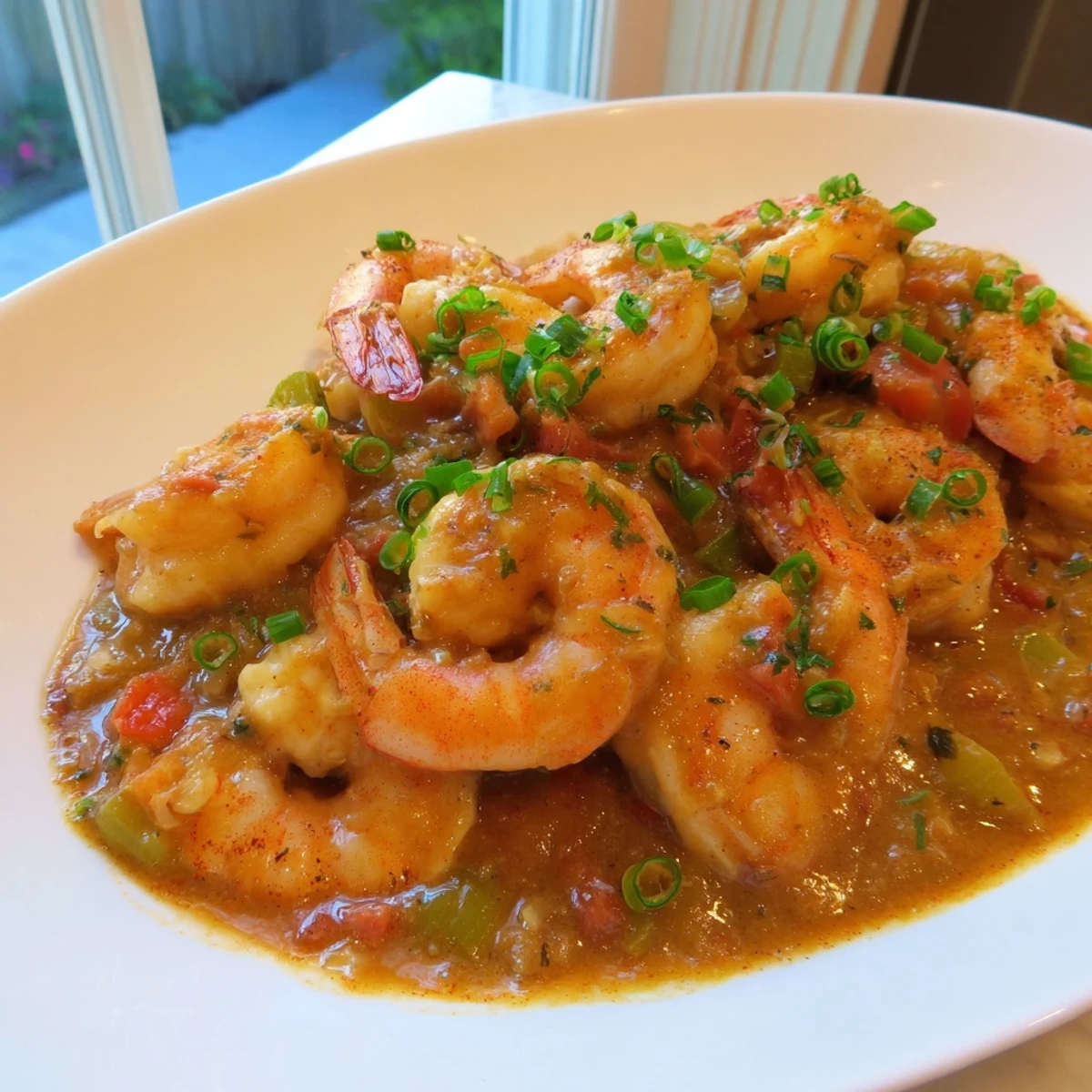
 My husband still talks about the night I made this during a snowstorm, when the warm, spicy aromas filled our cozy kitchen while winter raged outside. Something about that contrast between the bitter cold and this steaming, comforting bowl of shrimp and rice made it feel like true nourishment for the soul.
Perfecting Your Roux Technique
Learning to make a proper roux transformed my cooking entirely, and étouffée is the perfect dish to practice this fundamental French technique. The key is patience and constant stirring, watching as the flour and butter transform from pale yellow to peanut butter colored to that perfect deep brown. Do not walk away from the stove, because the difference between perfect and burned is just a matter of seconds.
Make It Your Own
While traditional shrimp étouffée is gorgeous on its own, I have discovered some wonderful variations that keep this dish exciting. Adding andouille sausage alongside the vegetables brings a smoky, savory element that takes the flavor profile to new heights. You can also substitute crawfish during their short season or even use chicken for a different but equally delicious version.
Serving Suggestions
A crisp green salad with a vinaigrette cuts through the richness of the roux and refreshes the palate between bites. Cornbread or crusty French bread are perfect for soaking up every last drop of that incredible sauce. Keep plenty of hot sauce on the table for guests who like to turn up the heat.
- Cast iron skillets retain heat beautifully and make serving feel rustic and authentic
- Extra green onions on top add a fresh bite that balances the rich sauce
- Lemon wedges brighten everything and highlight the natural sweetness of the shrimp
 Save Pin
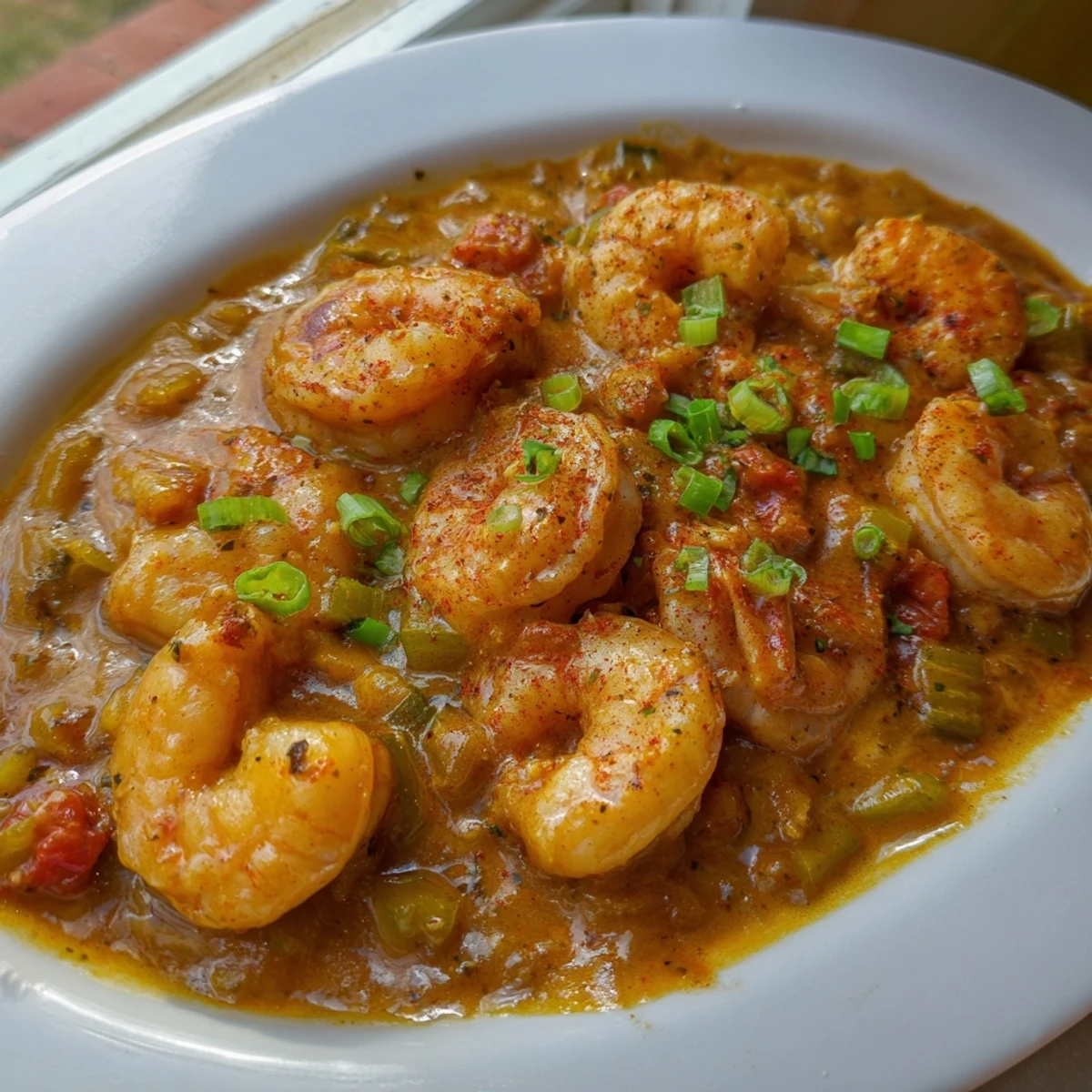
 There is something deeply satisfying about ladling this rich, aromatic sauce over fluffy rice and watching it sink into every grain. This is the kind of comfort food that makes people feel genuinely cared for.
Recipe FAQs
- → What makes étouffée different from gumbo?
-
Étouffée features a thicker roux-based sauce that completely coats and smothers the main ingredient, while gumbo has a thinner, soupier consistency with more broth. Étouffée also typically contains fewer ingredients and focuses on one primary protein like shrimp or crawfish.
- → How do I achieve the perfect roux color?
-
Cook the flour and butter mixture over medium heat, whisking constantly. The roux will progress from pale yellow to peanut butter-colored, then to a deep copper or chocolate brown. For shrimp étouffée, aim for a dark golden brown color that takes about 8-10 minutes of patient stirring to develop rich flavor without burning.
- → Can I make this dish ahead of time?
-
The roux-based sauce actually improves in flavor when made a day ahead. Prepare everything except adding the shrimp, refrigerate, and gently reheat before adding the shrimp for the final 3-4 minutes of cooking. This allows the flavors to meld beautifully while keeping the shrimp tender.
- → What vegetables are in the holy trinity?
-
The Louisiana holy trinity consists of equal parts onion, celery, and green bell pepper. This aromatic vegetable base provides the foundational flavor profile for countless Creole and Cajun dishes, including étouffée, gumbo, and jambalaya.
- → How spicy is traditional shrimp étouffée?
-
Traditional étouffée delivers moderate heat from Creole seasoning, cayenne pepper, and sometimes paprika. The spice level is adjustable—start with smaller amounts of cayenne and Creole seasoning, then taste and add more to reach your preferred heat level. Lemon wedges served on the side provide a bright, acidic contrast.
- → What's the best way to serve shrimp étouffée?
-
Spoon the étouffée generously over mounds of hot, fluffy white rice in shallow bowls. The rice absorbs the rich sauce beautifully. Garnish generously with chopped green onions and fresh parsley for color and freshness. Provide lemon wedges on the side for squeezing over the top, and serve with crusty French bread to soak up any remaining sauce.